
Fibermaxxing through History: How Ancient Cultures Cultivated Fiber-Rich Ingredients to Create Iconic National Dishes
Maya Soliman · 5 min read ·
Contents
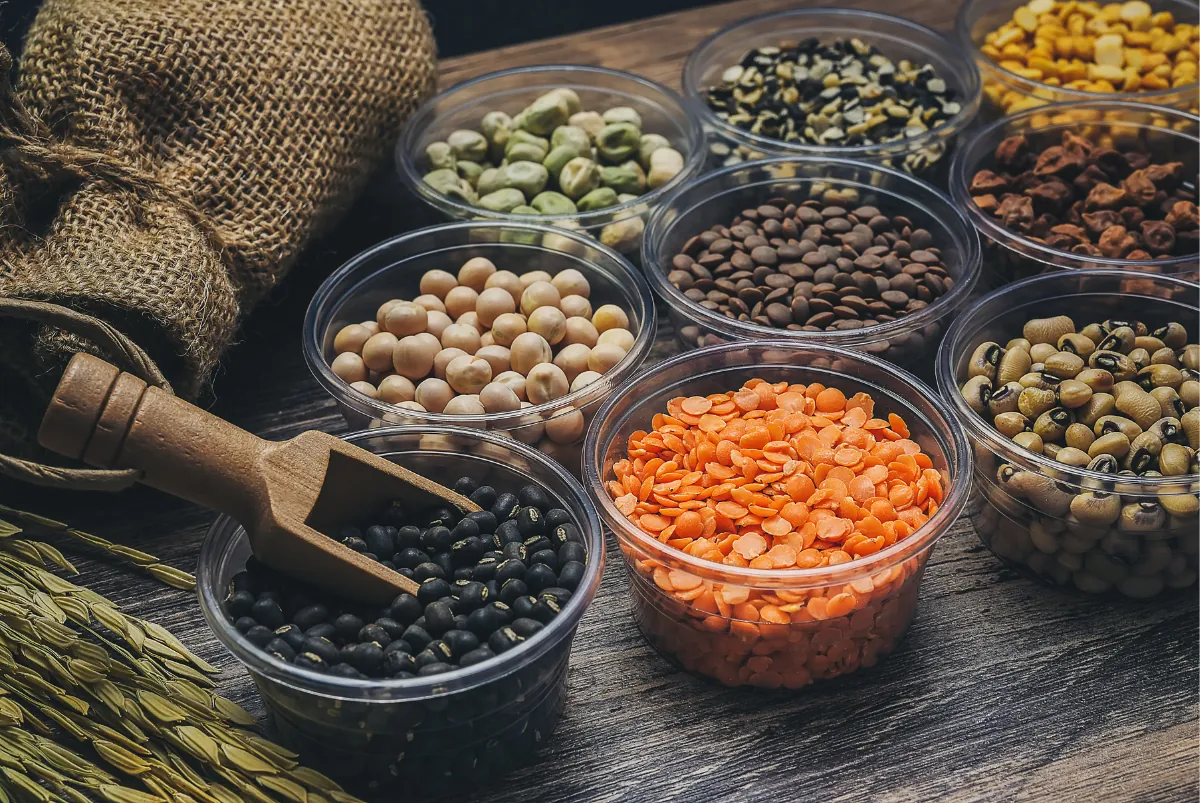
Throughout human history, ancient civilizations consumed fiber as a regular part of their daily diet. From wild roots to unrefined plants, whole grains, and legumes, our ancestors consumed an estimated two to four times as much fiber as we do today.
Today, "fibermaxxing" is a viral topic within online dietary and wellness communities. Content creators are sharing their favorite fiber-rich recipes or developing new ones from scratch, all in an attempt to optimize their fiber intake, or "fibermaxx." One of the most interesting aspects of this trend is that fiber-rich foods have always been a staple of ancestral life, surviving long enough to become traditional national dishes around the world. But first things first...
What is fibermaxxing?
Fibermaxxing is a social media trend centered on boosting your daily dietary fiber intake. Many content creators on TikTok post videos about this trend. These videos range from educational guides and personal experiences to vague or humorous skits.
Check out some of these videos to get a better idea of what fibermaxxing is all about:
Why are people fibermaxxing? The science behind the trend
With over 150 million TikTok views and more than 8,900 posts, fibermaxxing has become the latest trending topic across fitness and health social media. This surge is driven by fiber’s critical role in long-term wellness. According to UCLA Health, a high-fiber diet helps lower cholesterol and reduces the risk of chronic illnesses, including cardiovascular disease, obesity, and colon cancer. Furthermore, it significantly improves gut health and stabilizes the digestive system.
Now that we understand what fibermaxxing is and why fiber is so vital, let’s explore the ancient, fiber-rich dishes that have stood the test of time and are still enjoyed today.
Egypt: Ful Medames
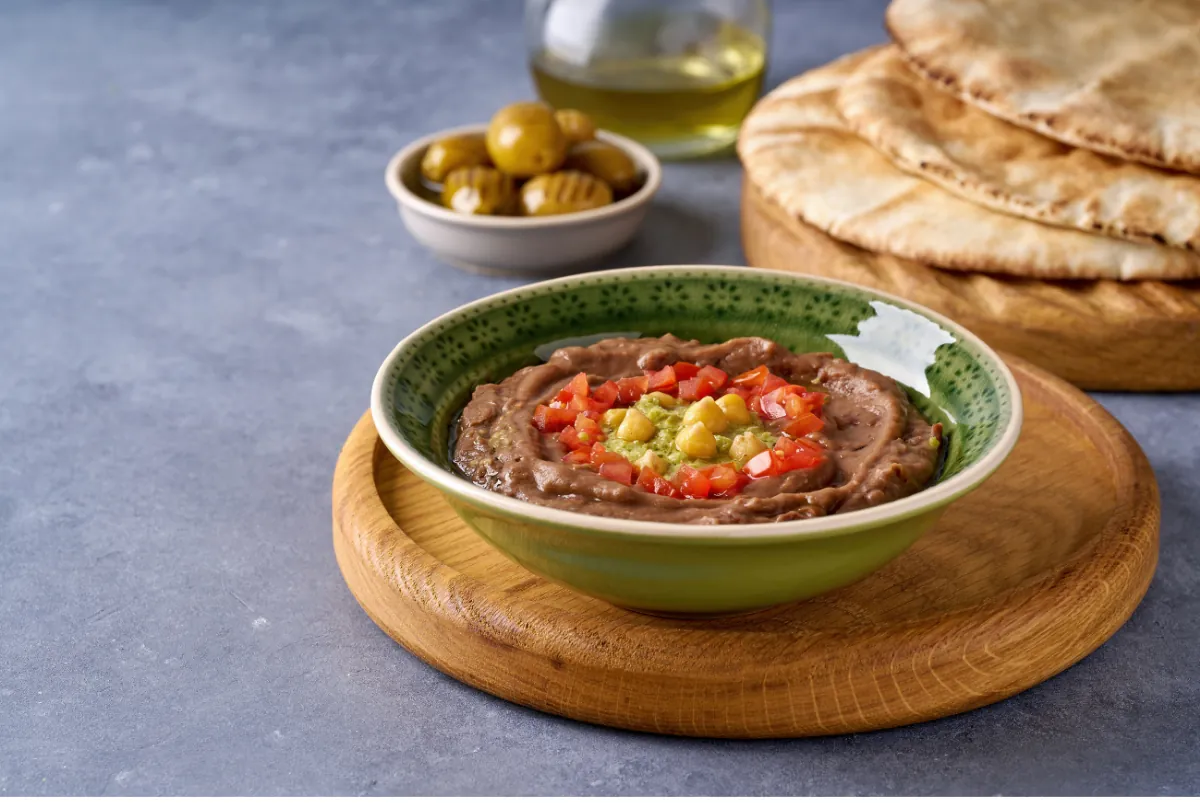
History: Ful Medames dates all the way back to Ancient Egypt. During the medieval period, workers in public bathhouses utilized the fires used to heat the baths to slow-cook fava beans overnight—a clever way to conserve fuel and maximize available resources. They would fill large cauldrons, known as qidras, with the beans and leave them to simmer. By morning, the slow-cooked dish was ready to feed Cairo’s bustling population. Today, it remains one of Egypt's most vital culinary staples and one of its official national dishes.
Ingredients: Fava beans dressed with olive oil, cumin, chopped onions, fresh lemon juice, and chili pepper.
Leaving the sun-baked fields of Egypt, we head north to Europe for a comforting winter classic.
Netherlands: Stamppot

History: Stamppot dates back to the 16th or 17th century. While its precise origins remain unknown, local legend attributes the invention of its most famous variation, hutspot, to the 1574 Siege of Leiden. Traditionally enjoyed as a winter meal, stamppot comes in several classic varieties, including hutspot (onions and carrots), boerenkoolstamppot (curly kale), zuurkoolstamppot (sauerkraut), and more. It stands today as a definitive staple of traditional Dutch cuisine.
Ingredients: Mashed potatoes combined with leafy greens or root vegetables—such as kale, spinach, sauerkraut, carrots, or turnip greens—and traditionally paired with Dutch smoked sausage (rookworst).
From the Netherlands, our journey transitions to the historic crossroads of Europe and Asia.
Turkey: Mercimek Köftesi

History: The origins of mercimek köftesi can be traced back to ancient Anatolia and the culinary traditions of the Ottoman Empire. Lentils were widely consumed across the region due to their exceptional affordability and high nutritional value. This dish stands as a prime example of the diverse, creative ways Ottoman cooks utilized lentils to feed both royal courts and everyday households.
Ingredients: Red lentils, fine bulgur, water, olive oil, finely chopped onions, tomato and pepper pastes, and fresh herbs (such as parsley and green onions).
Next, we cross into the Balkans to explore a long-standing monastic recipe.
Bulgaria: Bob Chorba
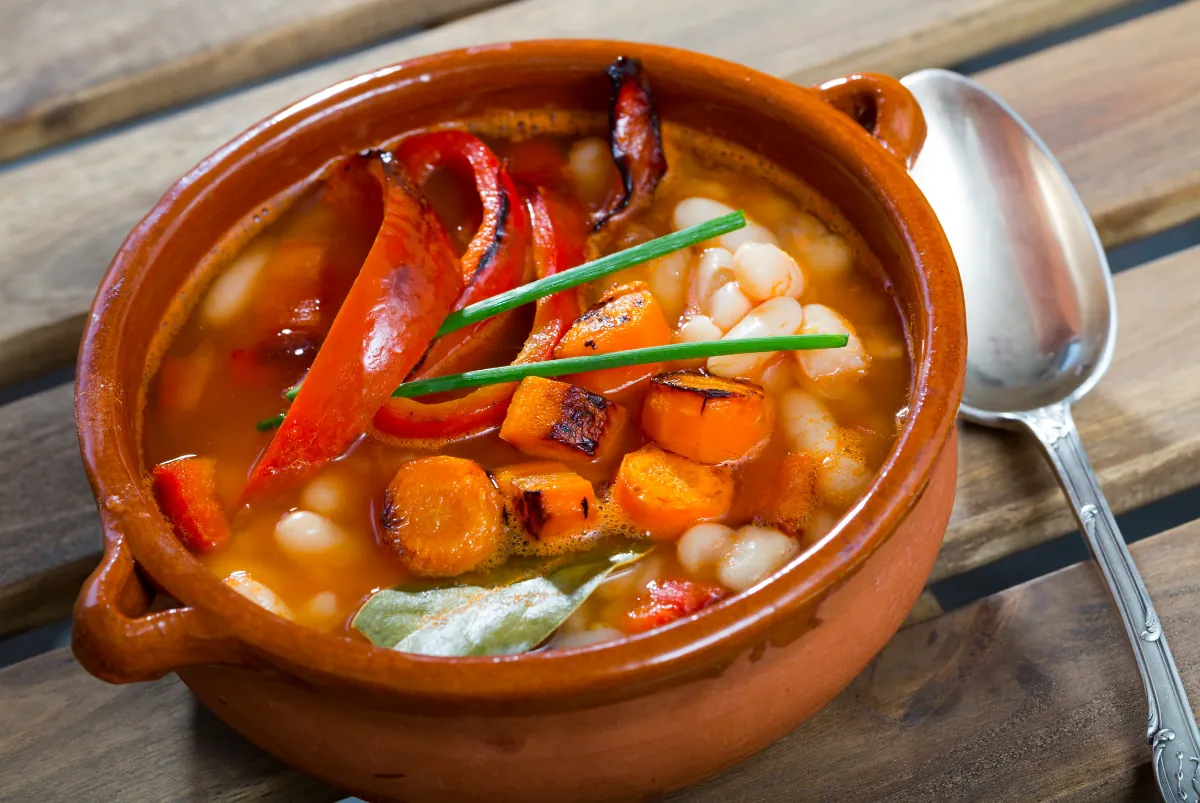
History: Bob chorba is considered one of Bulgaria's most defining culinary staples and a national dish. Historically, this bean soup served as a comforting staple food prepared in Bulgarian monasteries for centuries. Because of its deep roots in daily life, it is frequently celebrated in Bulgarian media and literature as an enduring symbol of national heritage, warmth, and hospitality.
Ingredients: Dry white beans, onions, tomatoes, carrots, and traditional herbs like chubritza (summer savory) or dzhudzhen (spearmint).
How Does Your Menu Celebrate Tradition?
Looking back at these fiber-rich, national dishes highlights how traditional staples eventually make their way onto modern restaurant menus. A dish like stamppot, for instance, is traditionally a home-cooked comfort meal that Dutch families prepare at home. However, many restaurants in tourist areas serve it to share this cultural staple with international guests.